
What is depression?

Depression is a loss of interest and feeling sadness, that gets in the way of your daily activities. We all sometimes feel sad or depressed, but some people experience these feelings for extended periods of time (weeks, months, even years), sometimes for no apparent reason at all.

Depression is a serious medical condition that affects not only depression, but also physical and mental health. Depression is a serious medical condition that affects both physical and mental health.

Depression causes

There can be many causes of depression. They can range from biological to contextual.

Here are some of the causes;
  1. Life events

Research shows that persistent problems such as long-term unemployment, violent or apathetic relationships, prolonged isolation or loneliness, and stress at work can increase the risk of depression.

  • Personality

People with certain personality traits, such as low self-esteem, are more likely to get depression. This could be due to genes inherited from parents, first life experiences, or both.

  • Medical conditions

Constant physical pain and illness can lead to depression. People often suffer from depression, as well as diseases such as diabetes, cancer and Parkinson’s disease.

  • Lifestyle risk factors

There are also various lifestyle factors that can affect your mental health and cause depression. There are many risk factors for depression, that cannot be changed such as gender and family history, but a human has totally control over his lifestyle.

  • Brain chemistry

Neurotransmitters are natural brain chemicals that have been linked to depression. Recent research has shown that altering the function and effects of these neurotransmitters and their interactions with nerve circuits involved in maintaining mood stability may play an important role in depression and its treatment.

  • Drug and alcohol use

Drug and alcohol use can and can lead to depression. More than 500,000 Australians suffer from depression and substance abuse.

Treatment for depression

Depression is not going to get away on its own. In fact, if neglected, depression can last for months, sometimes even years, and can affect your life negatively. People need to find a suitable treatment for them. Finding an effective treatment may take time and patience.

Here are some of the ways to tackle depression;

  1. Psychotherapy

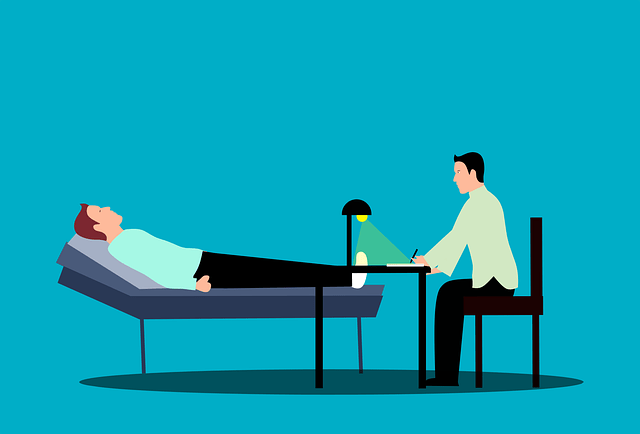
Talking to a therapist can help you learn techniques for dealing with negative emotions. You can also benefit from family or group therapy courses. Bright Beginnings Counseling is a platform from where you can get advice or therapy from experts.

Some therapies teach practical skills to rethink negative thoughts and use behavioral skills to combat depression. It will help you understand why you are experiencing certain emotions, what causes depression, and what you should do to stay healthy.

  • Nutrition

Proper nutrition is important for healthy physical and mental health. Small, balanced meals throughout the day can help conserve energy and reduce mood swings. You may be attracted to sugary foods for a quick increase in food intake, but complex carbohydrates are the best choice. They will help you walk too fast without losing sugar.

  • Social support

Strong social support help in reducing isolation, which is a major risk factor for depression. Keep in touch with friends and family regularly, and attend classes or groups. Volunteering is a great way to help yourself and get social support to help others.

  • Stress reduction

Make changes in your life to cope with stress and reduce it. Find ways to eliminate and reduce the impact of stressful aspects of your life, such as overwork and unsupported relationships.

Conclusion

Depression is a serious mood and mental health disorder that makes people feel sad. People suffering from depression often describe how worst the experience can be. When this happens, debilitating depression can always make a person feel depressed. It can also lead to feelings of worthlessness, guilt, and inability to enjoy the activities your daily life activities.

However, with treatment, symptoms are often better controlled. Managing depressive symptoms require the right combination of medication and treatment. If treatment does not work, consult your healthcare provider. They can help you change treatment plans to better help you control your condition.

What is Anxiety?

Anxiety is the body’s natural response to stress. Fear is a feeling that you feel on first day of school, most people are anxious and nervous about interviewing or giving a speech. However, if your anxiety is so severe that it lasts more than 6 months and affects your life, you may have an anxiety disorder.

Anxiety alters the way a person processes emotions and behaves, and also causes somatic symptoms. Mild anxiety can be vague and distracting, but intense anxiety can have serious consequences for your daily life.

Causes of Anxiety

Researchers are unsure what the exact cause of the concern is. However, a combination of certain factors plays a role in causing anxiety. It may include environmental, and genetic factors or brain chemistry as well. The researchers also believe that the part of the brain that controls anxiety may be affected.

Here are three main suspected causes of anxiety;

  1. Chemical imbalance

Severe or prolonged stress can alter the chemical balance that regulates mood. Excessive stress over a long period of time can cause anxiety disorders.

  • Environmental factors

Any trauma in life can cause anxiety disorder, especially in people who has inherited a higher risk to start.

  • Heredity

Anxiety disorders are usually inherited. Like eye color, it can be inherited from one or both parents.

Treatment of Anxiety

  1. Psychotherapy

Psychotherapy, also known as a speech therapist or psychological counseling, involves working with a therapist to reduce symptoms of anxiety. It can be an effective remedy for anxiety.

Cognitive behavioral therapy (CBT) is the most effective and common method of psychotherapy for anxiety disorders. CBT, aims to teach specific skills to a person suffering from anxiety disorders to improve their mental health and gradually return to activities that are avoided due to anxiety. Find an expert therapist for your anxiety symptoms on Bright Beginnings Counseling.

  • Medications

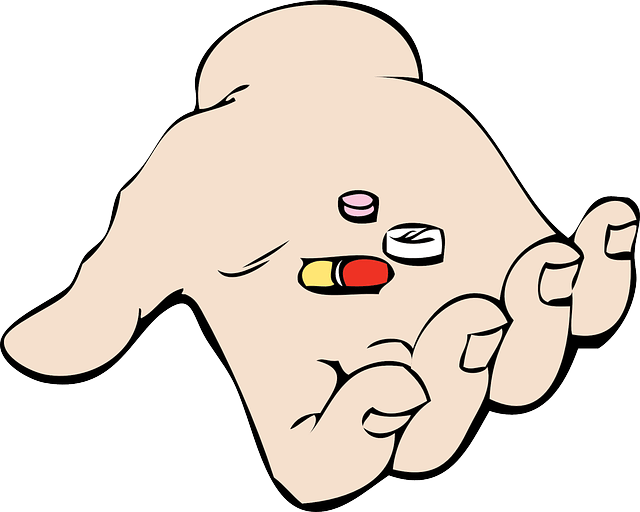
Different types of medications are used to relieve from anxiety, depending on the type of anxiety disorder and other physical or mental health problems.

Benzodiazepines can reduce anxiety, panic, and anxiety. They work quickly, but they can resist. This decreases efficiency over time. Your doctor may prescribe a short-term medication for anxiety and reduce it or mix it with an antidepressant.

Anyone who wants to change their approach to treating anxiety disorders after taking antidepressants for a long time should ask their doctor what is the best way to avoid taking the drug.

  • Mindfulness

When someone feels anxious, spending a lot of time distracting from negative thoughts can help a lot. Mindfulness directs our attention back to the present moment and helps to get rid of potentially useless thoughts.

  • Dietary adjustments

Mineral magnesium helps in relaxing muscle tissue, and magnesium deficiency can cause anxiety and insomnia. Inadequate intake of vitamins B and calcium can also worsen symptoms of anxiety. Make sure to include whole grains, leafy greens, and low-fat dairy products in your daily diet.

  • Exercise

Develop a daily routine to be physically active most of the days of the week. Exercise is a powerful stress reliever. This will help improve your mood and keep you healthy.

Contact Our Office

Anxiety disorders can make everyday life difficult. Symptoms of anxiety disorders include nervousness, panic, and anxiety. Physical symptoms such as sweating and palpitations may also occur. But you don’t have to live like that. There are many treatments available for anxiety. Medications that can help with treatment include tricyclic antidepressants, antidepressants, beta-blockers, and benzodiazepines. Talk to your doctor about any serious side effects or withdrawal symptoms after stopping treatment.

Treatment for anxiety disorders includes psychotherapy, medication, mindfulness and lifestyle changes. Treatment varies from person to person depending on the underlying condition and type of anxiety. Give us a call at (208) 878-7008 to get you the right help and start helping you have a better life.

The Signs Of Substance Abuse In Behavior & Mental Health

Substance abuse is a curse, and everyone struggling with it fails to quit and even results in mental health issues (it’s addictive, of course). However, the first step into gaining the optimized mental health is knowing the symptoms and signs, and it’s a guided step to get help. Mental health is a serious issue and can be alleviated by people who do drugs. That being said, we have curated this article to share link between substance abuse and mental health, so let’s check out the details!

The Link Between Substance Abuse & Mental Health

When you struggle both with mental health issues and substance abuse, such as anxiety, depression, and bipolar disorder; it is known as co-occuring disorder but some also call it dual diagnosis. Truth be told, it’s hard to deal with substance abuse and it becomes even more complicated when you have recurring mental health issues. With dual diagnosis, both substance abuse and mental health issues come with distinctive symptoms.

These symptoms can even adversely impact the functionality at schools or work. That being said, the co-occurign disorders can affect each other. To illustrate, if the mental health issues are untreated, the substance abuse issue will worsen. Similarly, when the substance abuse increases, the mental health issues will increase. Truth be told, these issues are more common as compared to what people generally comprehend.

To illustrate, around 50% of people struggling with mental health issues are affected by substance abuse while 53% of substance abusers have minimum of one severe mental health issue. With ignorance, these issues are likely to worsen but counseling can help overcome these issues. With proper counseling and treatment, it will be easier to overcome the co-occuring disorder.

Behavioral Signs

The behavioral signs involve the outward relations of the person with the outer world, while physical signs are related to the side effects of drugs on the body. The behavioral signs include the obsessive actions and thoughts with which addicted people only care about drugs while sidelining school, work, or family. It also includes the disregard for harm. One most essential behavioral sign is loss of control, with which addicted people lose the urge to stop using drugs.

Lastly, it includes hiding the drug use or denying the addiction. The addicted people will avoid explaining their actions and drug use to people. In some cases, they might even do drugs in secret. Truth be told, these signs should be enough to make you understand that someone is struggling with substance abuse. The impact of substance abuse can be dramatic, and addicted people often lose control on their actions and mental health.

Physical Signs

The use of drugs can lead to multiple side effects, and it shows up in the physical aspect. In the majority of cases, the physical signs occur with withdrawal and overdose. It’s safe to say that understanding the root cause behind physical signs can be tedious, but some severe physical signs demand instant medical treatment. The withdrawal symptoms generally occur when the body is trying to adjust to the absence of drugs in the system.

Generally, the physical signs include dilated pupils, bad body odors, insomnia, sudden weight gain and loss, slurred speech, weak physical coordination, and bloodshot eyes. As far as the physical signs of a drug overdose is concerned, they include agitation, troubled walking, drowsiness, breathing issues, aggression, delusions, nausea, hallucinations, vomiting, and unconsciousness.

  • The withdrawal signs include depression, loss of appetite, shakiness, jumpiness, headaches, fever, and fatigue.

Some people also struggle with hallucinations and seizures during the withdrawal phase. It’s needless to say that substance abuse can impact the psychological state of patients. The psychological signs include inattentiveness, anxiety, outbursts, lack of motivation, instant mood swings, changes in attitude, mental withdrawals from people. Also, there are chances of unexplainable paranoia, emotional withdrawals, and irritability.

Signs of Heroin Abuse

In the majority of cases, people suspecting heroin abuse have a hard time knowing how the substance looks like. Heroin has a white color if being consumed in pure form. However, heroin might have black, rose gray, or brown color if other substances are added to it. Paraphernalia is about transporting the containers. These containers include small balloons, small tubes, small foil and spoon with burn marks, the excessive number of lighters, shoelaces, cut-up straw, and rubber bands.

If you find the paraphernalia or residue of heroin, it’s certain that heroin abuse is happening. Also, if the heroine abuse started recently, you will notice people having locked boxes and missing money. In addition to these, people with heroin abuse often show signs like disorientation, constricted pupils, tremors, weight loss, diarrhea, stomach cramps, tracking marks on the body (arms, in particular).

  • People with heroin abuse might have a dirty and unkempt appearance as well.

Obviously, heroin addicts won’t call it “heroine” in front of everyone but will rather use street names. These street names include smack, horse, china white, dope, junk, brown sugar, black tar, and Big H. These signs must be taken seriously because even the slightest overdose results in fatal conditions.

Signs of Cocaine Abuse

Cocaine is famous for the white and powdering form. In the majority of cases, people snort cocaine, but some people inject and smoke it as well. The effect of cocaine ranges from thirty minutes to two hours. The side effects of cocaine include paranoia, increased energy, invincible feelings, dilated pupils, restlessness, anxiety, jumping speech, and elevated moods.

  • For the most part, the addicts use street names to ask for cocaine.

The street names of cocaine include flave, aspirin, fast white lady, soft, uptown, blow, and yao. Cocaine is extremely addictive and has become a high-strength stimulant. If you are experiencing these signs or watching your loved ones showing the signs, you can call Bright Beginnings Counseling. We can be reached out at (208) 878-7008 or BBcounseling21@gmail.com.